

Premium Single Origin Coffee Blends: What to Know in 2026

Premium single origin coffee blends are exactly what they sound like: beans sourced from one specific region or country, roasted to highlight the unique flavors that soil, altitude, and climate create there. Unlike mass-market blends that mix beans from multiple origins to hit a consistent taste every time, single origin coffees celebrate what makes each region different. If you're serious about your morning cup, understanding single origin blends is the gateway to a whole new coffee world.
In this article
- What Makes Single Origin Coffee Different?
- The Top Single Origin Regions You Should Try
- How to Choose the Best Premium Single Origin for You
- Subscription Models: The Best Way to Explore Single Origins
- Organic and Direct-Sourced: What Matters for Quality
- Price Reality: Why Premium Single Origins Cost More
- Getting Started with Single Origin Blends
- Why Freshness Matters More Than You Think
- Building Your Single Origin Collection
- Brewing Methods Matter for Single Origin Flavors
What Makes Single Origin Coffee Different?
The core difference between single origin and blended coffee is traceability. You know exactly where your beans came from, how they were grown, and when they were roasted. That transparency matters because it usually means better quality control and fresher coffee arriving at your door.
Single origin coffees taste bold and distinct. An Ethiopian Yirgacheffe might have bright, fruity notes with a floral finish. A Colombian from the Huila region could deliver chocolatey body with caramel sweetness. A Sumatran bean might bring earthy, full-bodied richness with herbal undertones. Each origin tells a story through its flavor profile, and that's what makes exploring them so addictive.
When you're looking for THE COFFEE EXPERIENCE, you're getting beans roasted to order specifically to enhance those regional characteristics. Made-to-order roasting means your coffee hits peak freshness when it reaches you, not months after it left a warehouse.
The Top Single Origin Regions You Should Try
Not all single origins are created equal. Certain regions have built reputations for exceptional quality and consistency. Here's where to start exploring:
- Ethiopia: The birthplace of coffee. Ethiopian beans are famous for bright acidity, fruity notes, and floral complexity. Yirgacheffe and Sidamo are the most sought-after sub-regions.
- Colombia: Balanced, smooth, and approachable. Colombian coffees deliver medium body with chocolate and nutty undertones. Great for both espresso and pour-over.
- Costa Rica: Known for clean, sweet profiles with chocolate and citrus notes. Costa Rican beans often carry a silky mouthfeel that's irresistible in the morning.
- Indonesia (Sumatra): Full-bodied and earthy. Sumatran coffees have lower acidity and deeper, almost herbal flavors. Perfect if you prefer bold, heavy-hitting coffee.
- Central America (Guatemala, Honduras): Rich, complex, and nutty. These origins offer excellent balance between acidity and body with subtle spice notes.
The key is experimenting. What clicks for you might be completely different from your friend's preference, and that's the entire point. Exploring different origins is how you discover your actual coffee preference, not just what you've been told to like.
How to Choose the Best Premium Single Origin for You
Picking a single origin coffee that aligns with your taste comes down to a few factors:
Flavor Profile Preferences: Do you like bright, acidic coffees with fruity notes? Go African. Love chocolate and nuts? Head toward Central and South America. Prefer earthy, full-bodied dark roasts? Indonesia's your region.
Roast Level: Light roasts preserve the bean's origin characteristics best, letting you taste the terroir (that's the fancy word for how soil and climate shape flavor). Medium roasts offer balance. Dark roasts can mute some origin flavors but add roasted, smoky complexity.
Brewing Method: Pour-over and French press brew methods highlight single origin flavors differently. Pour-over tends to bring out cleaner, brighter notes. French press emphasizes body and full-bodied texture. Espresso works with everything, but it demands fresher beans.
Freshness Guarantee: Coffee's peak flavor window is about 2-3 weeks after roasting. If your beans shipped from a roaster using the direct-to-consumer model (like THE COFFEE EXPERIENCE does with made-to-order roasting), you're getting coffee at its prime, not stale supermarket stock.
Subscription Models: The Best Way to Explore Single Origins
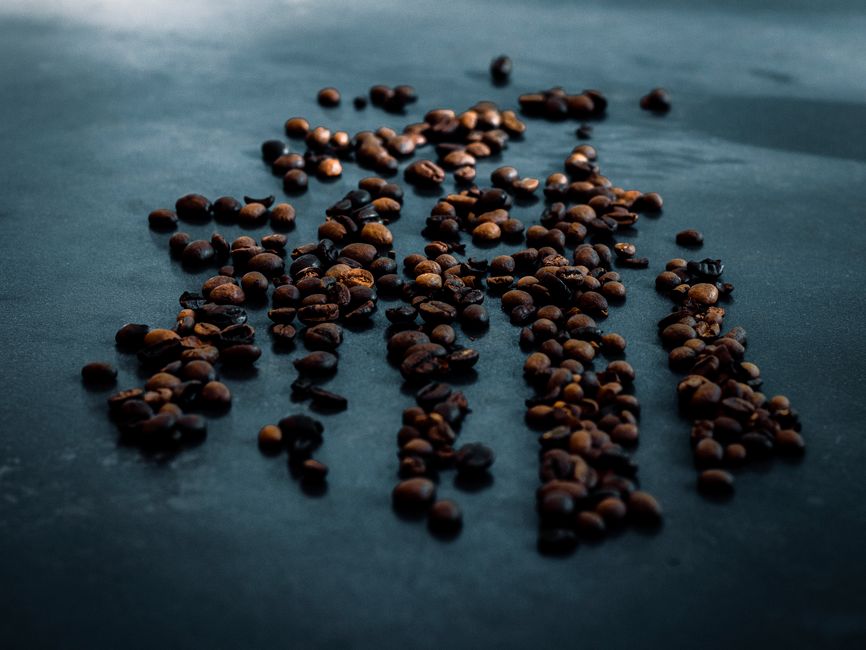
If you want to build a real single origin habit without overwhelm, subscription models are your answer. Here's how they typically work:
- You pay around $25/month for a fresh bag of single origin coffee.
- Each month, your subscription rotates a different country or region origin to your door.
- You get consistency (same delivery schedule) plus variety (different flavors every month).
- Most subscriptions let you pause, skip, or adjust your preferences anytime.
This approach is brilliant because it removes decision fatigue. You don't have to research which origin to buy next. You just receive a carefully curated selection, brew it, and discover what resonates with you. Over a year, you'll have tried 12 different single origins and figured out your true preferences.
Subscription coffee is also fresher by design. Since you're getting regular shipments, beans arrive consistently within that optimal 2-3 week window after roasting. You're never stuck with stale coffee taking up cabinet space.
Organic and Direct-Sourced: What Matters for Quality
Premium single origin coffees often come with certifications or sourcing claims. Here's what's worth paying attention to:
Organic Certification: Organic single origins are grown without synthetic fertilizers, pesticides, or herbicides. This means cleaner growing practices, and often better flavor clarity since artificial inputs don't interfere with the bean's natural character. Organic coffee costs more, but if sustainability and pure flavor matter to you, it's worth the investment.
Direct Sourcing: When a roaster sources directly from farmers or producer cooperatives, money flows more fairly through the supply chain, and they have better control over bean quality and harvest timing. Direct sourcing also means better traceability. You can know not just what country your coffee came from, but sometimes the specific farm or elevation.
Third-Party Testing: Look for mentions of cupping scores or quality certifications from organizations like the Specialty Coffee Association. These indicate the beans have been evaluated by trained professionals and meet high standards.
Price Reality: Why Premium Single Origins Cost More
Coffee prices have risen significantly. According to recent market data, U.S. coffee prices increased 18.3% year-over-year in January 2026, reflecting global supply challenges and increased demand for specialty coffee. Over the past five years, prices have climbed roughly 47%, making premium coffee a real investment.
Here's why you're paying more for single origins versus commodity blends:
- Small-batch roasting (not mass production) means higher labor costs.
- Direct sourcing relationships often pay farmers better rates.
- Made-to-order roasting means fresher beans, which costs more to manage logistically.
- Organic certification and quality testing add expense.
- Single origin beans are often from higher-altitude farms that produce fewer, higher-quality crops.
That price tag buys you quality, freshness, and flavor complexity you simply cannot get from supermarket coffee. It's worth thinking of it as an experience investment, not just a commodity purchase.
Getting Started with Single Origin Blends
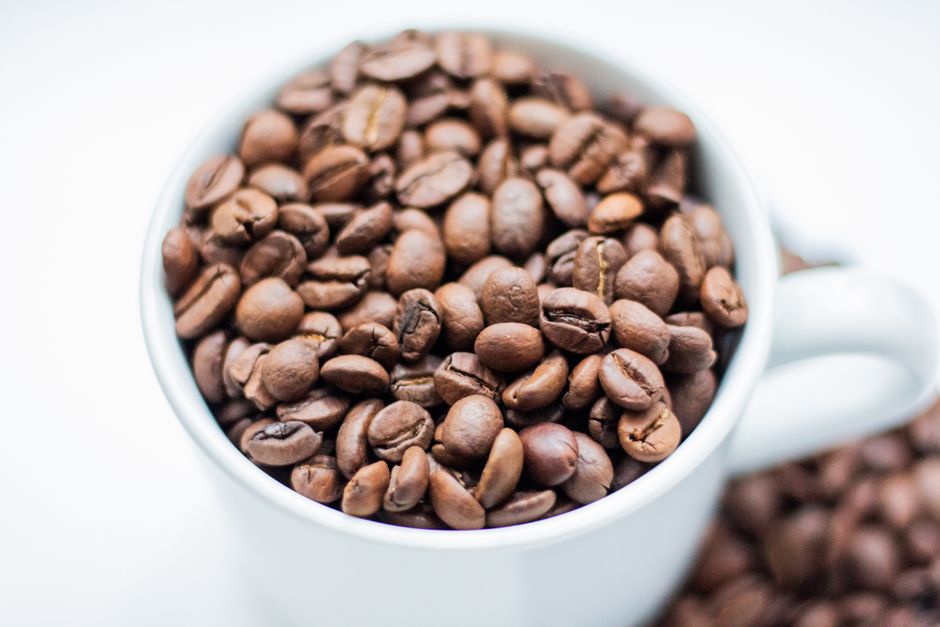
Ready to explore? Start small. Don't commit to a year-long subscription if you're not sure yet. Buy a single bag of a region that sounds appealing. Brew it the way you normally make coffee. Taste it black, without milk or sugar, so you can actually experience the origin flavors.
Keep a simple note: what did you taste? Fruity? Nutty? Earthy? Bright or smooth? Write down what you liked and didn't like. After you've tried 3-4 different origins, you'll have a clear sense of your preferences.
Once you're confident in your taste, that's when a subscription model for premium single origin coffee becomes worth it. You're not guessing anymore. You know what you like, and you're getting it fresh every month.
Why Freshness Matters More Than You Think
Coffee is a perishable product. The day beans are roasted, the clock starts ticking on their peak flavor window. Within 2-3 weeks, they're still excellent. After that, they begin to fade. By the time many grocery store coffees reach your kitchen, they're already past their prime.
Roasters using the made-to-order, direct-to-consumer model roast your beans and ship them almost immediately. You get them while they're at peak freshness. That's the entire value proposition, and it's why buying from specialty roasters beats mass-market alternatives.
The difference is noticeable in your cup. Fresh single origin coffee has more vibrant flavors, better clarity of origin characteristics, and a cleaner finish. Stale coffee tastes flat, muted, and one-dimensional. Once you've experienced truly fresh coffee, you won't want to go back.
Building Your Single Origin Collection
Think of building a single origin collection like building a wine rack. You don't need everything. You need a few bottles you love, plus the curiosity to try new things occasionally.
Start with two or three favorite origins that match your flavor preferences. Keep those on rotation. Then, once a month, add something new to experiment with. Over time, you'll have a solid sense of which origins and regions consistently deliver what you want in your morning cup.
If you want curated guidance instead of flying blind, that's exactly what subscription models at THE COFFEE EXPERIENCE solve. Someone who knows coffee is picking for you, rotating origins strategically, and ensuring freshness. It removes guesswork and builds knowledge over time.
Brewing Methods Matter for Single Origin Flavors
How you brew single origin coffee dramatically affects what you taste. The same bean brewed in a French press versus a pour-over will taste noticeably different:
- Pour-Over: Clean, bright, highlights floral and fruity notes. Best for lighter roasts and African origins.
- French Press: Full-bodied, emphasizes heavy flavors and texture. Great for darker roasts and Indonesian origins.
- Espresso: Concentrated, intense, complex. Works beautifully with any origin if pulled correctly.
- Cold Brew: Smooth, mellow, sweet. Mellows out acidity, great for experimenting with African coffees.
Experiment with different brewing methods as you explore origins. You might discover that an origin you weren't crazy about in a pour-over absolutely sings in a French press. The brewing method isn't just logistics. It's part of your coffee experience.
Should I buy whole bean or pre-ground single origin coffee?
Always buy whole bean. Pre-ground coffee oxidizes quickly and loses flavor within days of grinding. Whole beans stay fresh for 3-4 weeks. Grind just before brewing. If you don't have a grinder yet, get one. It's a non-negotiable investment for premium coffee.
How do I know if a single origin coffee is actually high quality?
Look for: specific farm or region information (not just "Colombia"), roast date clearly printed on the bag, mention of altitude or processing method, and ideally a cupping score or specialty coffee certification. Vague descriptions and missing roast dates are red flags. Transparency is how premium roasters prove quality.
Can I use single origin coffee for espresso?
Absolutely. Single origins work great for espresso. They'll be more flavor-forward than espresso blends, which means you'll taste the origin characteristics more clearly. Just make sure your grinder and machine can handle the precision espresso demands. Experiment with different origins to find which ones pull the best shots for your setup.
What's the difference between a single origin blend and an espresso blend?
Single origin coffees come from one region. Espresso blends combine beans from multiple origins to create a flavor profile optimized for espresso brewing, with balanced body and sweetness. Single origins celebrate region-specific flavors. Blends create consistency. Choose based on what you want: adventure or predictability.